You need passion for conservation: The Sun Daily interviews Reuben

Here’s a bit more media coverage featuring Reuben, as Malaysia’s The Sun Daily newspaper looks at careers in conservation. Ever considered getting into conservation, but got discouraged because you thought it didn’t hold much potential as a career? Or perhaps you know some bright young thing who’s interested in making conservation their lifelong goal?

Reuben ponders his future in conservation

Reuben answers some questions on how he developed his interest in conservation and successfully built a career out of it. The take-home message? In order to do conservation, you need to have the passion for it. Follow your heart!

You can read the article here.

Photo update 6: Kinship in Kenyir

Here’s a photo update devoted to kinship in the Kenyir Wildlife Corridor. There’s no better way to start off our tribute than our first photocapture of dhole (Asiatic wild dog) in our project site. These amazing creatures remind us that we should all take some time off to bring that special someone for a walk in the woods…

Continue reading

Rimba comments on the fate of limestone karsts in Pahang

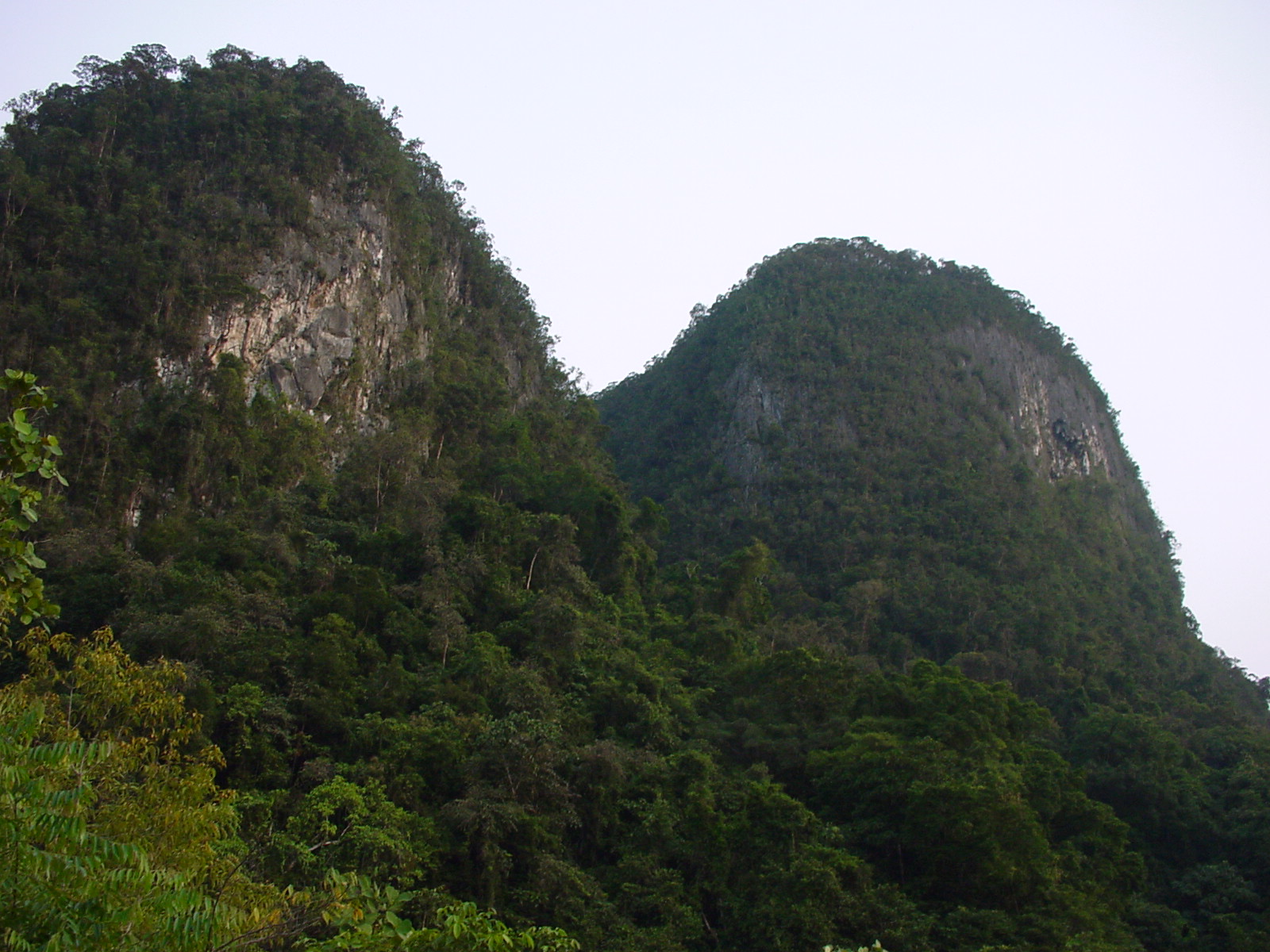
Ever wonder what can happen to majestic limestone karsts like these in Malaysia?

Pristine limestone karsts, Bau, Sarawak. ©Rimba/Reuben

Good Times recently featured a story on the sad fate of the Panching limestone karsts in Pahang, Malaysia, and Rimba reseachers Reuben and Liew gave their two cents worth. You can read the article here.

Most of these karsts were formed millions of years ago and are now home to many endemic plants and animals. This review paper will tell just how special and imperiled these ecosystems are.

As our mission statement says, Rimba is not against economic pursuits such as limestone quarrying, but certain groups of karsts that have been isolated for millions of years should be spared from quarrying as they are likely to support many biologically unique organisms. Here’s another paper that talks about the factors that should be considered when companies are deciding on which karsts to quarry. It’s time to use science to make smart decisions and avoid losing very special organisms that the world  will never see again.