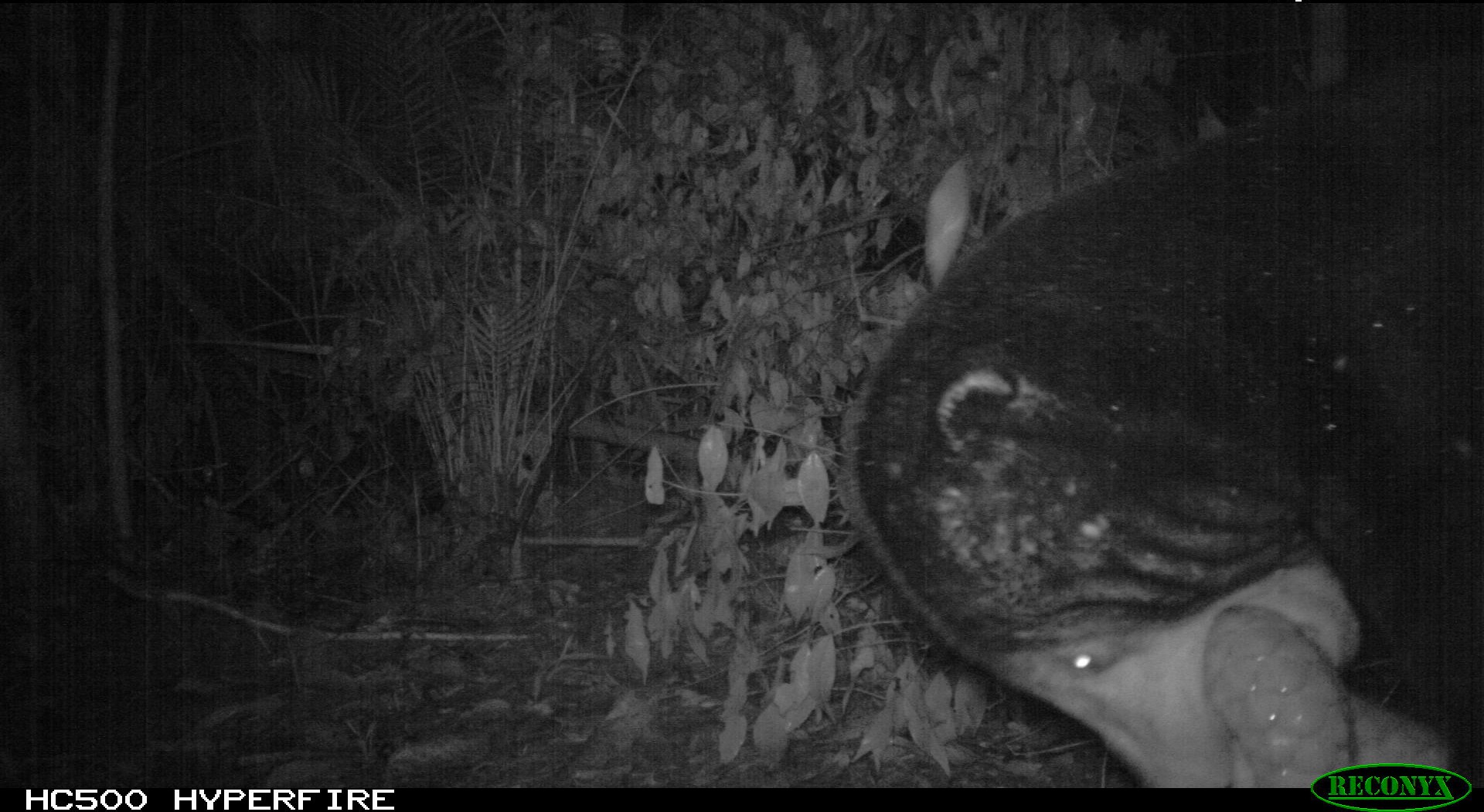
Publication update 15: The bear and the pangolin

sunbear pangolin
© Reuben Clements / Rimba

Hi folks, we have another publication update to share. A little late, this interesting observation was originally shared in the IUCN/SSC Bear Specialist Group‘s spring newsletter by Laurie and Sheema. It has something to do with the photo above…can you spot the pangolin in the shot??

While going through Reuben’s camera trap photos for the database, Sheema first noticed this particular bear exhibiting some strange behaviour over several consecutive shots. Things got really interesting when she realised what it had in its mouth… Continue reading
Publication update 14: Does social media ‘like’ conservation?

Does Social Media 'Like' Conservation?

This publication is somewhat different from the rest. Spearheaded by Lahiru, it’s a short note on the role of social media, such as Facebook, in conservation messaging.

Many of you have been following us on our Facebook page (the blue Facebook widget tucked into the banner at the top of this site will take you there), which we set up 2 years ago to raise awareness and concern about biodiversity conservation. Over time, we noticed that certain posts got a lot more attention and ‘likes’ than others. When the viral attention received by one particular post we shared shocked even us, Lahiru decided to conduct a little experiment…

Read more about our results and conclusions below, which we submitted to The Scientist, and are now available online:

Wijedasa L.S., Aziz S.A., Campos-Arceiz A. and Clements G.R. 2013. Does Social Media “Like” Conservation? The Scientist. 8 April.

Publication update 12: Indigenous rights matter!

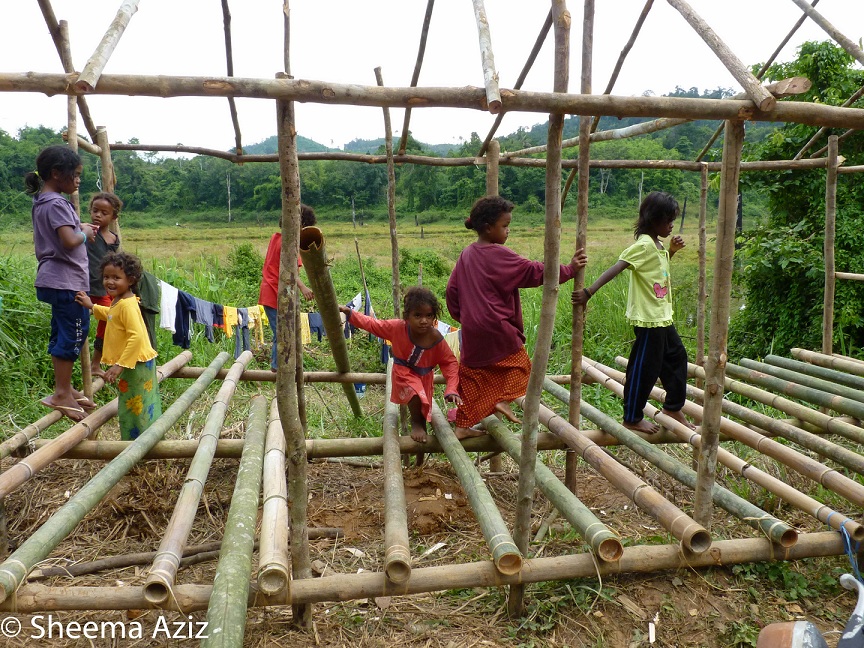
Temiar children playing in RPS Banun, an Orang Asli resettlement in the Belum-Temengor Forest Complex.
Temiar children playing in RPS Banun, an Orang Asli resettlement scheme in the Belum-Temengor Forest Complex.

There was a time when people used to think that saving the environment was all about – well, the environment. Some people even confused it with ‘saving the trees’, ‘saving the animals’, or ‘saving wildlife’. Many conservationists nowadays know better. We’ve learnt that the environment has been shaped and nurtured by the many indigenous and local people who revere it, care for it and ultimately depend on its resources for their survival. Focusing on saving the environment, or wildlife, alone is meaningless if we don’t take into account the forest-dependent or sea-dependent peoples who are critical in ensuring nature’s well-being – and for whom, in turn, nature is a critical part of their lives. Sometimes they can be a part of the problem, but often they can be part of the solution too. This is why more conservationists need to start recognising the important role played by indigenous peoples in conservation, and also start considering and incorporating indigenous peoples in conservation efforts. Continue reading