Let’s say you’ve been travelling across Peninsular Malaysia looking for a particular animal or plant over the years and you’ve marked the GPS coordinates of its presence through an indirect sign (e.g., tracks or vocalizations) or an actual sighting. And one day, you decide to make a map of its distribution, but of course, you do not have the time and effort to look in every nook and cranny of the peninsula to make an accurate map. So wouldn’t you like to know potential places where your species might be found?  Over the years, scientists have developed a range of species distribution models (SDMs) to help you do just that. SDMs try to establish a relationship between your species records and the environmental or spatial characteristics (e.g., rainfall, temperature, forest cover, land use types, distance to water sources) of your sampling area (Franklin 2009). In other words, SDMs help to predict where you might find other suitable habitats for your species – you don’t always have to depend on luck to go find them! One of the more popular types of SDMs is Maximum Entropy Modelling Continue reading
Tag: Peninsular Malaysia
Project update 3: Kenyir forests are alive and about to be camera trapped!
Heads up folks! This is the first ever fieldwork update from the Kenyir Wildlife Corridor Project and we’re very excited to report that the Kenyir forests are alive and well!
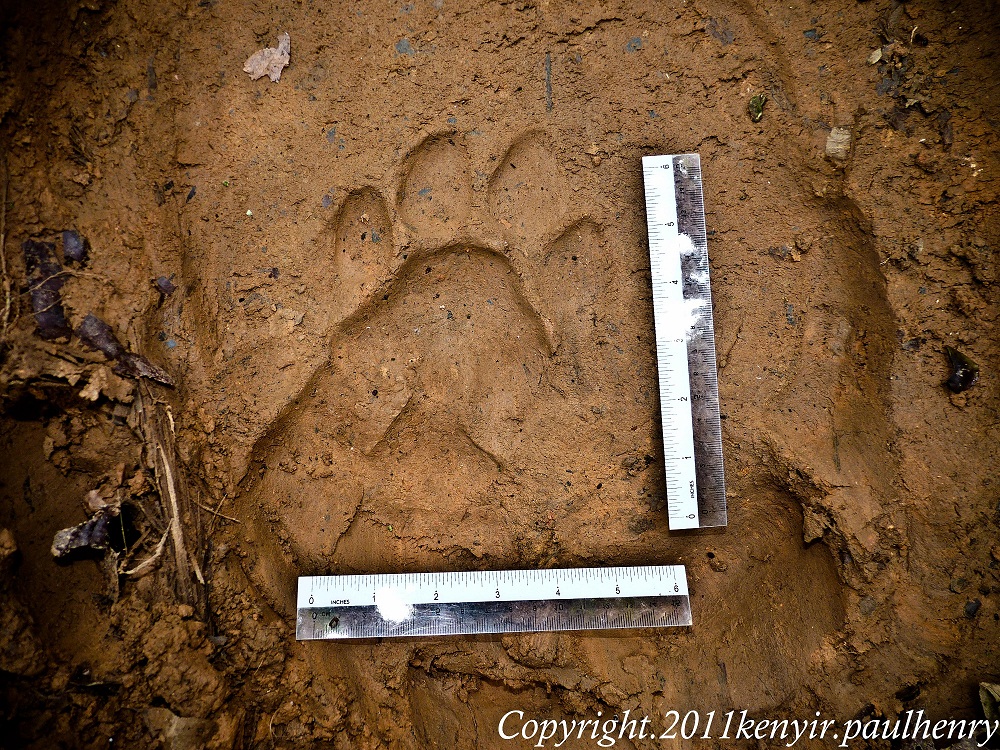
We’ve just completed 4-km transects at more than 30 access points along the Kuala Berang highway. This highway cuts through three contiguous production forest reserves consisting mainly of lowland and hill dipterocarp forests. Our project site lies within a globally important Tiger Conservation Landscape, one of three priority areas according to the National Tiger Action Plan for Malaysia1, and is also identified as Primary Linkage 7 in the Central Forest Spine (CFS) Master Plan for Ecological Linkages2. So you can see why it’s important that we assess impacts of highway viaducts in this landscape.
We’ve already recorded a total of Continue reading
 Rimba
Rimba 