Like the fantastic wildlife photos we’ve been capturing through our camera-trapping work?? Well, using a camera-trap can seem daunting at first, but it’s easily learned, and constant practice will help you hone your skills in no time. We at Rimba owe our camera-trapping experience to our dedicated and hardworking wildlife biologist friends over at WWF-Malaysia. Having carried out biodiversity monitoring work in Peninsular Malaysia since 2005, these tireless field scientists have scoured miles and miles of inhospitable terrain and camped out in dense jungle for weeks at a stretch, all in search of that perfect camera-trap location to obtain valuable evidence of elusive wildlife. They’re now one of the most experienced and knowledgeable researchers when it comes to camera-trapping large mammals in tropical rainforests.
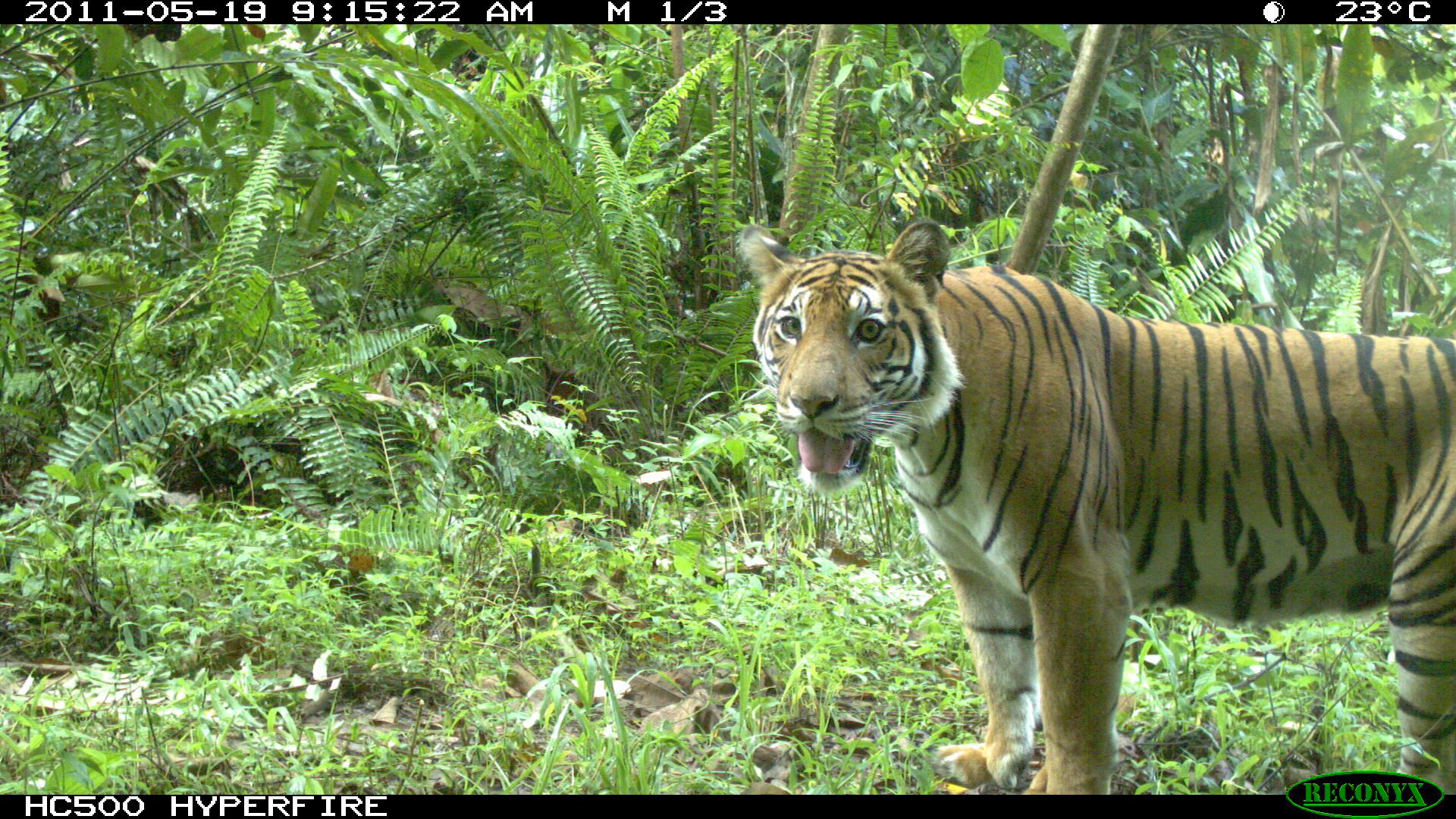
Here are more interesting mammal species caught on our camera traps in Kenyir’s forests. We have the king of the jungle, the Malayan tiger, heading our list of new species photocaptures. We have also included new photos of species that we featured earlier.
We have entered two of our photos in the international category of the 2011 Trailcampro trail camera photo contest. If you have the time, please vote for picture #53 or #54 in the International section here (if you prefer ours over the other nice wildlife photos of course). We stand to win a new camera trap to help augment our camera trap coverage in the corridor.
Today Rimba brings you a special post to honour the very important work being carried out by rangers to protect biodiversity in the last few pockets of wilderness that remain in our world. Did you know that 31 July every year is World Ranger Day?? Not many people spare a thought for these under-appreciated, unknown and unsung heroes who put their lives on the line everyday and sometimes literally die for nature. This is why we at Rimba believe it is extremely important to highlight their contribution – they’re the true protectors of wildlife on the frontline!
World Ranger Day is celebrated thanks to the International Ranger Federation (IRF). It comes hot on the heels of World Tiger Day which falls on 29 July. Indeed, in conjunction with World Tiger Day this year WWF-Malaysia and TRAFFIC Southeast Asia released a short documentary on the dangers of poaching in northern Peninsular Malaysia’s Belum-Temengor forests:
This gives you an idea of the extreme challenges faced by rangers who work in protected areas. Sometimes, when the numbers of park rangers simply aren’t enough, NGOs have to step in and add to the effort – in fact, WWF-Malaysia’s Wildlife Protection Unit (WPU) effectively acted as rangers to patrol and secure the southern border of Royal Belum State Park. The Rhino Protection Units (RPUs) of the Indonesian Rhino Conservation Programme, which the WPU was modelled after, have been playing the same role in Sumatra and Java.
In their effort to safeguard nature’s treasures, rangers have to deal with injury, aggression, threats – and even death. You may be shocked to learn that many park rangers have lost their lives to protect nature. This is such a serious issue that the World Conservation Union (IUCN) cast a spotlight on it in their World Conservation Debates series. In recognition of the bravery of these rangers, Australian park ranger Sean Willmore produced The Thin Green Line, a documentary that features the lives, stories and challenges of park rangers around the world. His foundation has helped to set up the International Rangers Dependency Fund, which provides financial support to rangers who have been severely injured, or the families of rangers who have died in the line of duty. We strongly urge you to watch this documentary if you haven’t yet, and to donate to this worthy cause!
Today, in recognition of their passion and dedication, Rimba honours all rangers around the world. Conservation needs champions like these.


 Rimba
Rimba 