Publication update 7: What is wilderness?

Ever wondered what people mean when they use the word ‘wilderness’?

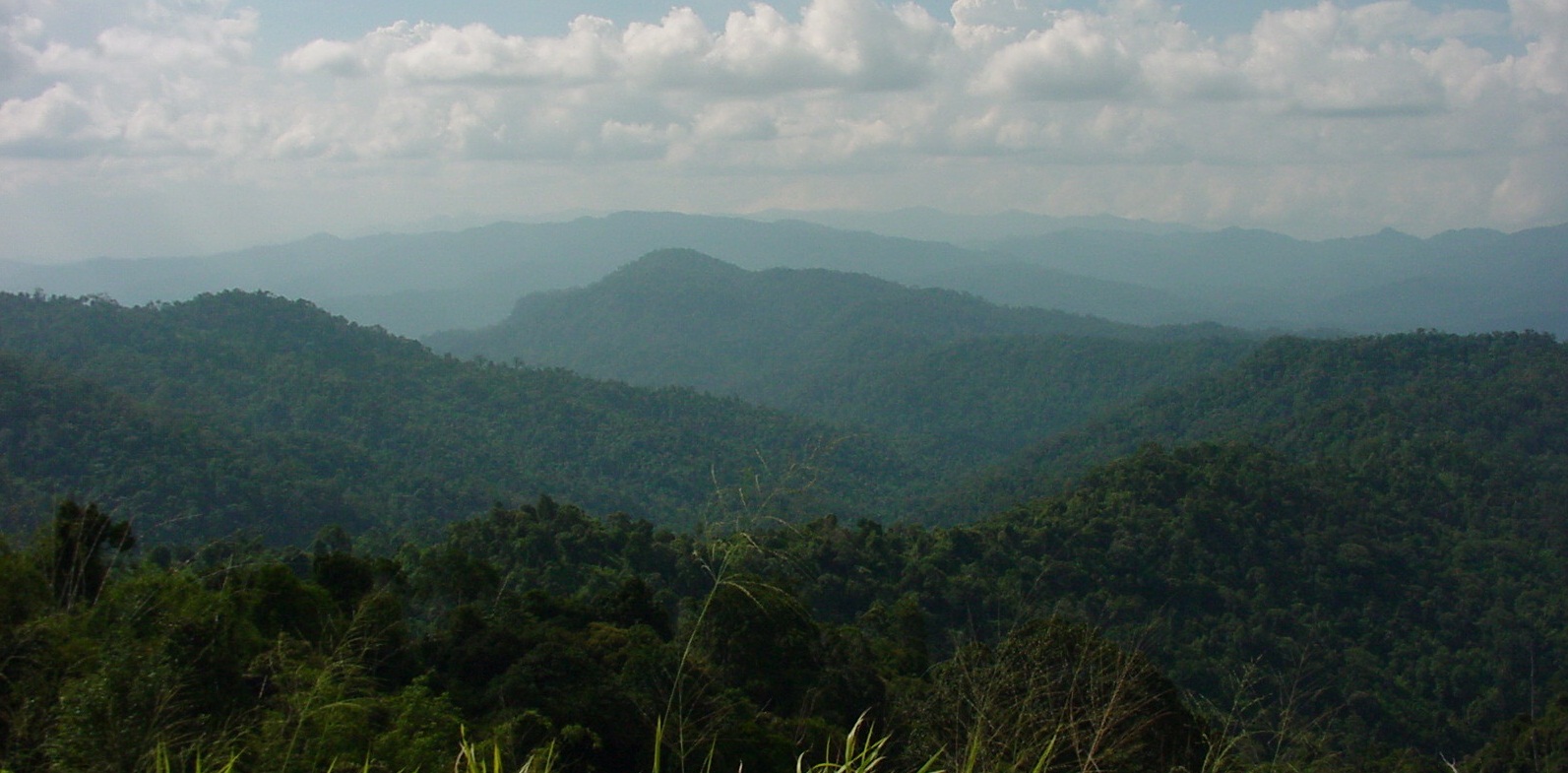
Selectively logged forest in Terengganu

To most people, the concept of wilderness generally means pristine, untouched nature, free from the destructive taint of humankind. Would you agree? Many early conservationists subscribed to this idea of wild areas that had been spared the human touch, and therefore their efforts were largely aimed at restoring nature to this perceived original state of being untainted and unchanged (e.g. see Sheil and Meijaard, 2010).

However, the truth is, over the many thousands of years that humans have occupied this planet, there are very few habitats that have not actually been influenced by us in some way or another. Continue reading
Publication update 6: New species await in that jungle yonder

The next time you find yourself near a vast forest far from human settlements with minimal infrastructure in Malaysia, get your camping gear out and spend a few nights in the forests with a group of nature lovers. If you’re lucky, have sharp eyes and walk far enough, you may just find an amphibian or mammal species yet to be discovered by scientists. And if you are really dying to name more new amphibian or mammal species after that special someone, head into the Amazon or Central Africa to improve your chances!

Potentially new species await in relatively undisturbed forests such as Royal Belum State Park, Perak, Peninsular Malaysia.. © Reuben Clements

A new study by Giam, one of Rimba’s researchers, found that tropical moist forests of the Neotropics, Afrotropics, and Indomalaya (this includes Malaysia!) are likely harbour the greatest numbers of undescribed species. This paper was recently published in the prestigious international journal, Proceedings of the Royal Society B.

Giam and his colleagues devised a mathematical model of Continue reading

Publication update 5: Asian tapirs are no elephants…

Captive tapir

…especially when it comes to seed dispersal. Back in March, we highlighted two publications by Ahimsa which look at the role megafauna such as elephants play in shaping our forests. This time, Ahimsa’s looking at a slightly smaller – though still large – herbivore: the Asian Tapir. We’ve already mentioned before how Reuben and Sheema have been involved in a tapir population study. Ahimsa, on the other hand, has been specifically investigating tapir diet and feeding behaviour to find out if they play a role similar to that of elephants. After all, studies in South and Central America have suggested that New World tapirs might be important seed dispersers over there. But, that’s in a world where there are no elephants. So the question Ahimsa is asking is: If elephants disappear, could tapirs step in to fill their big shoes? Continue reading